Healthy Hands, Smarter Plans
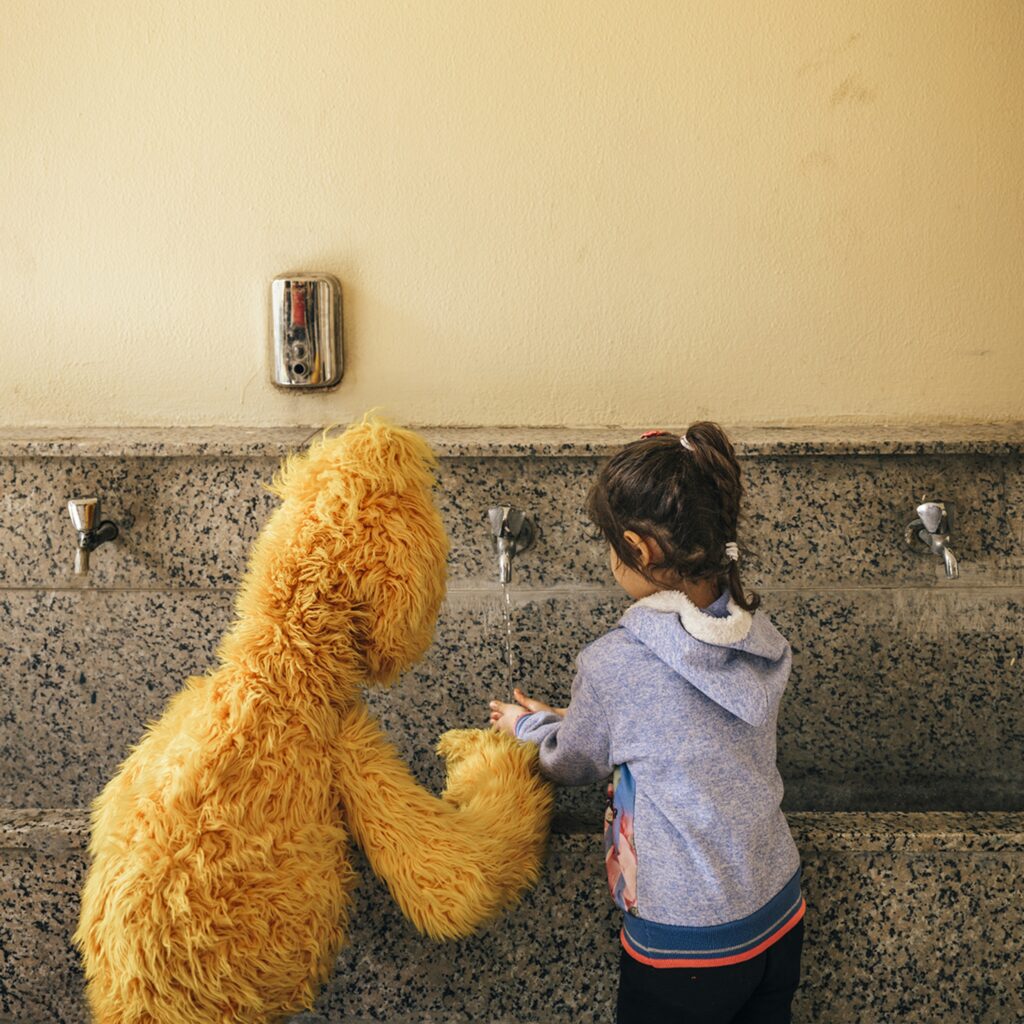
When we think about what children need to succeed in school, books, teachers, and classrooms often come to mind first. But an often-overlooked foundation of learning is much simpler: access to safe water, clean toilets, and good hygiene practices. Around the world, more than 850 million people lack reliable access to clean water, and over […]
Bridges in the Making

India’s digital railways, affordable smartphones, expanding data access, and public ed-tech platforms have pushed learning far beyond the school gate. NEP 2020 doesn’t treat technology as a shiny add-on; it builds a dedicated engine for digital content, training, and local-language access. From SWAYAM’s open courses to DIKSHA’s teacher communities and QR-linked textbooks, the system is […]
The Learning Formula: ECE + Play × Access = Potential
Early Childhood Education (ECE) is one of the most powerful tools to reduce inequality and support children’s development, especially in countries like India where many families face poverty and disadvantage. India has had a long-standing public ECE program through the Integrated Child Development Scheme (ICDS), launched in 1975. Today, over 1.3 million Anganwadi Centres across […]
Soap Operas: Real Drama, Real Change in School Hygiene

Hygiene behaviour and sanitation are foundational to public health, especially for school-aged children in developing countries, where poor hygiene remains a major risk factor for numerous diseases. Good hygiene practices are among the most effective preventive measures against infectious illnesses. Yet, many schools continue to grapple with issues related to sanitation, contributing to outbreaks of […]
Om Sweet Om
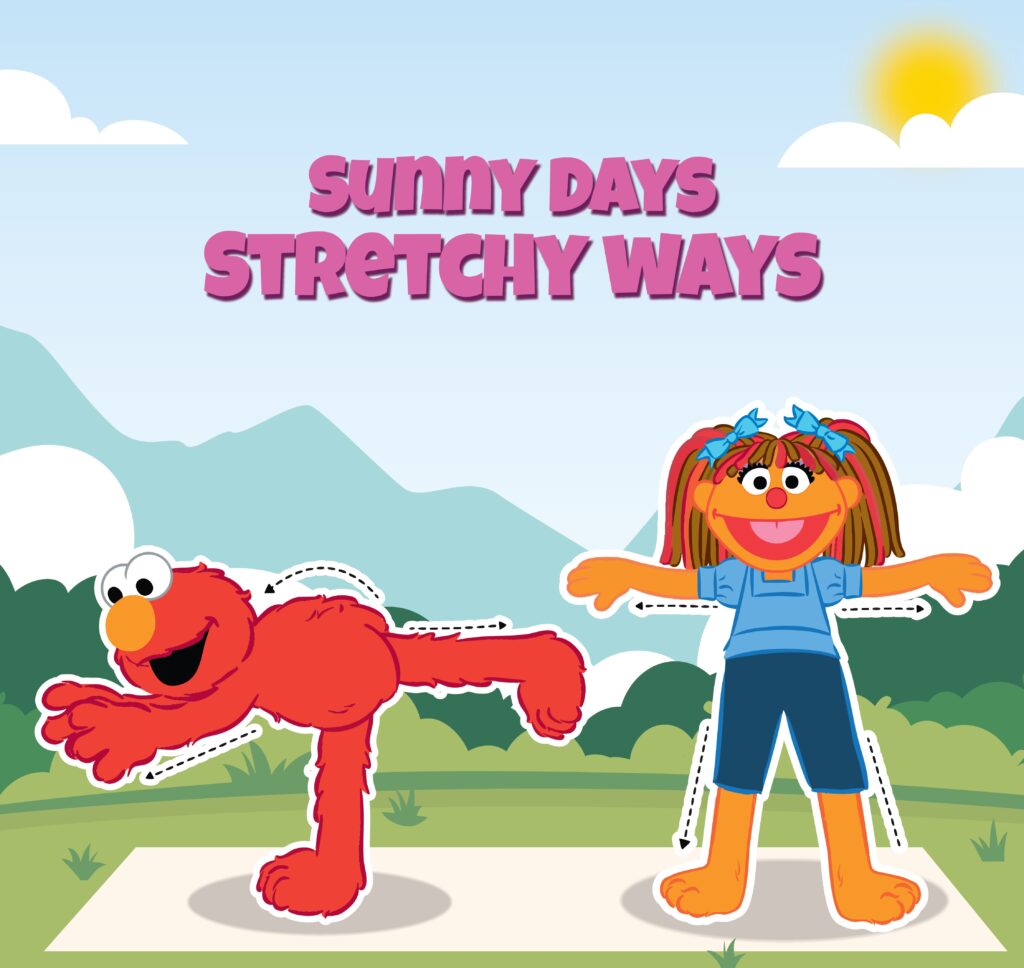
In today’s fast-paced world, children are constantly exposed to high expectations and overwhelming stimuli, often resulting in stress, anxiety, and related mental health challenges such as excessive worry and sleep difficulties. This generation of young adults is considered among the most stressed, and these pressures can unintentionally trickle down to children, who may suppress their […]
NEW DEVELOPMENTS: EDUCATION

CBSE unveiled a landmark change: starting 2026, students in Classes 6 to 8 across its affiliated schools will study a mandatory Skill Education curriculum, a shift away from rote memorisation toward hands-on, skill-based learning. Under the new framework, each school will dedicate roughly 110 hours per year (about 160 class periods) to skill-based activities, delivered […]
Operation Earth: STEM in the Garden!
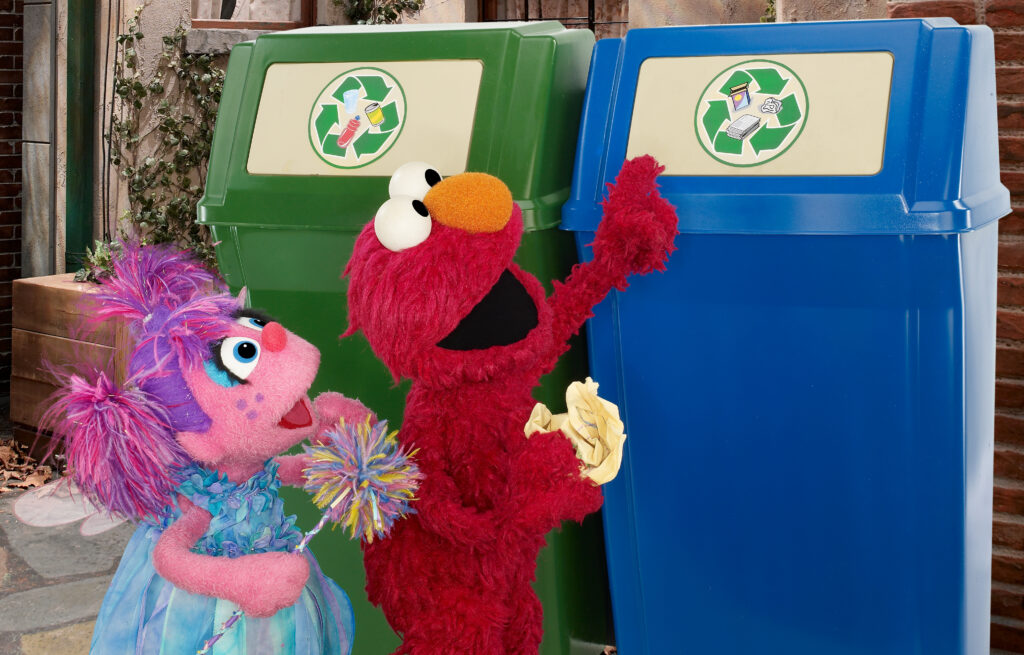
Environmental education aims to encourage children, especially those in urban areas, to experience and appreciate nature’s wonders. A key goal is to instil a lifelong dedication to maintaining a high-quality environment, often built upon positive early experiences in natural settings. Understanding how children, particularly urban children, perceive nature and what makes them comfortable is crucial […]
A CHILDREN’S DAY TO REMEMBER
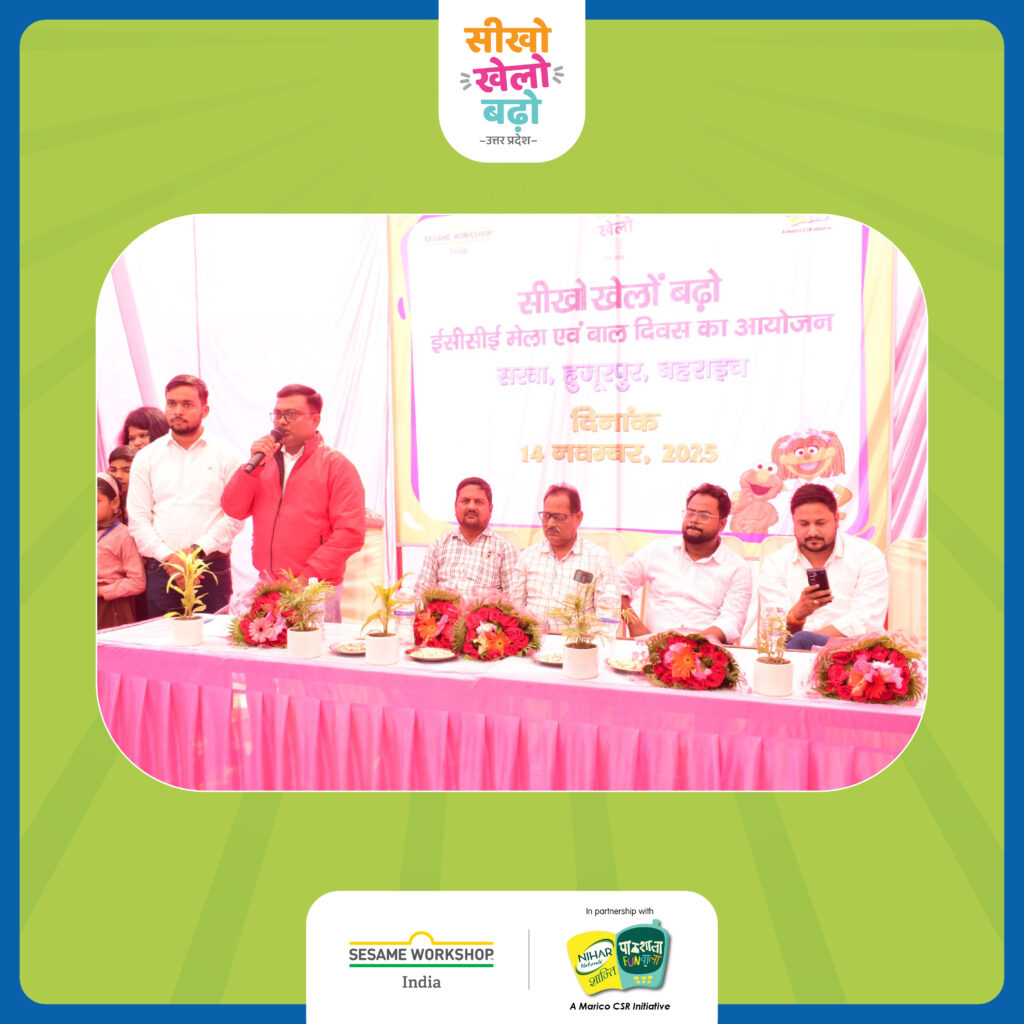
Earlier this Children’s Day, the Anganwadi Centres of Bahraich came together for more than a celebration. They gathered to honour the promise, potential, and dignity of every child. As part of the Learn. Play. Grow. initiative in Uttar Pradesh, supported by Marico Limited’s Nihar Shanti Pathshala Funwala program, the event brought the community together around […]
Play School to Play Store: India’s Learning Leap
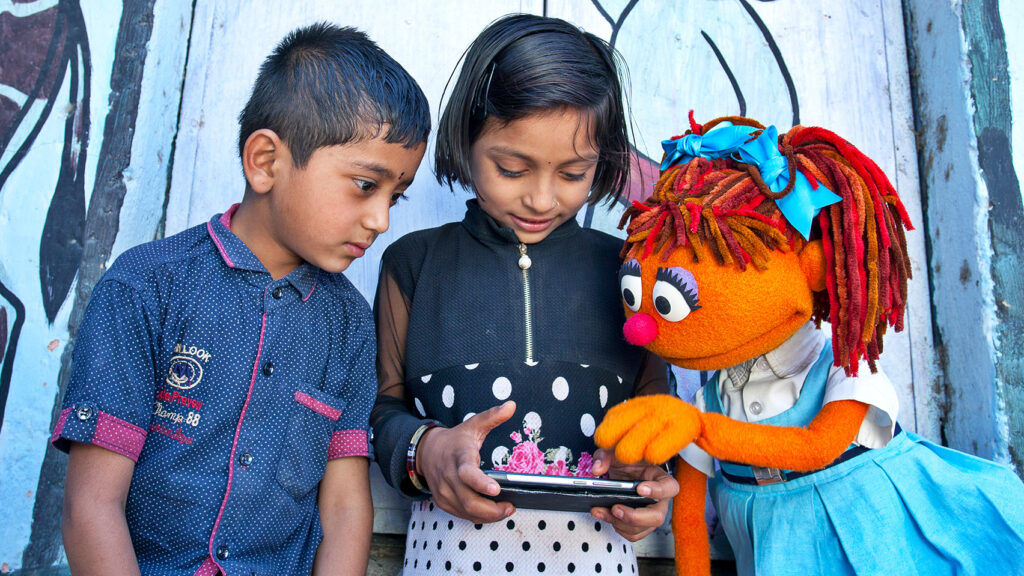
Educational technology (Ed-Tech) is playing a transformative role in early childhood education in India, helping bridge long-standing gaps in access, quality, and equity. The New Education Policy 2020 recognizes the power of technology in improving learning outcomes by supporting teachers, breaking language barriers, creating digital libraries, and expanding access to education beyond the four walls […]
Gaga for Growth
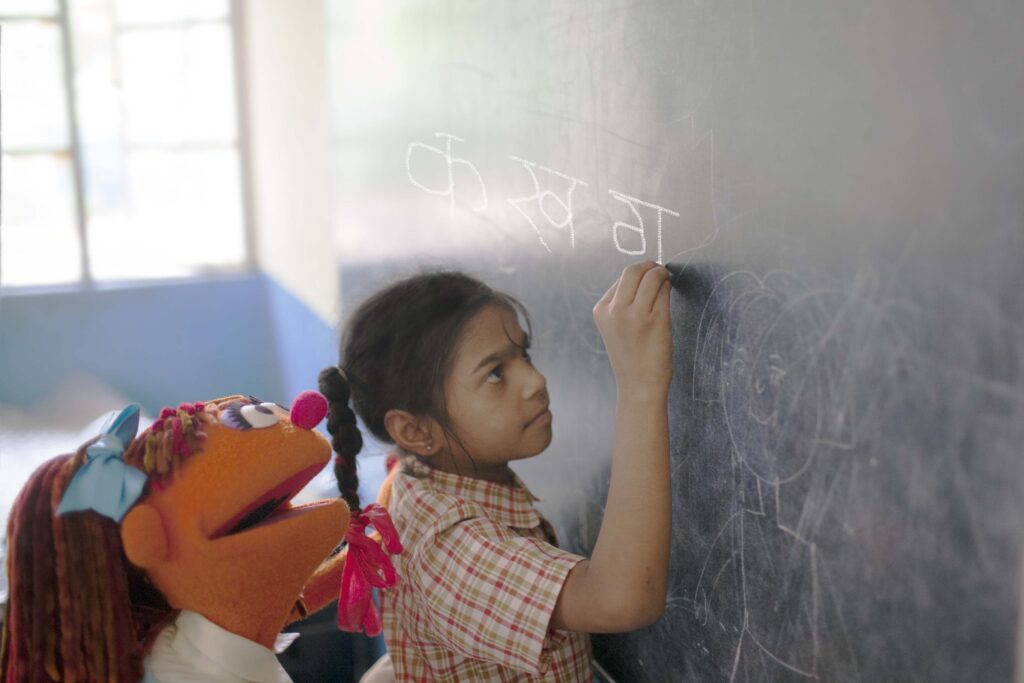
Early childhood, spanning the first six to eight years of life, is universally recognized as a foundational period for lifelong development, critically shaping health, learning, and behavior. In India, the evolving social fabric, marked by shifting family structures and increased maternal employment, has gradually led to a decline in traditional informal childcare, highlighting the growing […]